
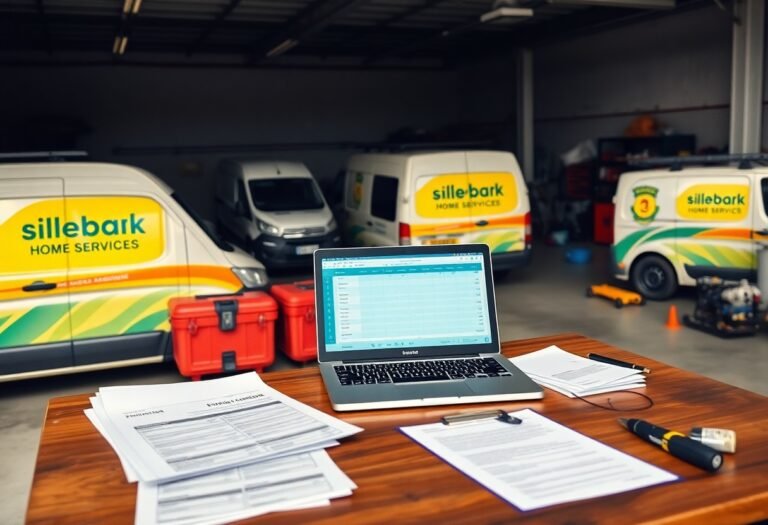
There’s a range of financing options you can use to fund trucks, tools, and hiring: SBA and term loans, equipment leases, lines of credit, invoice financing, and smart cash-flow planning to match repayment with revenue.
Key Takeaways:
- Many home service businesses fund trucks, tools, and hiring through a mix of retained earnings, small business loans, and owner equity.
- Equipment financing and vehicle loans provide spread-out payments tied to asset life, keeping cash available for operations.
- Leasing and rentals reduce upfront cost and maintenance responsibility but often increase total long-term expense.
- Business lines of credit, credit cards, and short-term loans cover payroll spikes and hiring while caution is required for high interest rates.
- SBA microloans, local grants, manufacturer financing, profit reinvestment, and careful cash-flow forecasting support sustainable growth and replacement planning.
Self-Funding and Internal Reinvestment
To expand your fleet and staff without outside capital, you reinvest retained earnings, prioritize cash-flow-positive projects, and delay nonnecessary expenses to fund trucks, tools, and hires while maintaining control and avoiding interest costs.
Utilizing Personal Savings and Home Equity
Above your business accounts, you may use personal savings or a home-equity line to buy vehicles and equipment, accepting personal risk for lower rates and faster access than some loans.
Reinvesting Operational Profits for Scalable Growth
Against borrowing, you reinvest operational profits into hires, training, and updated trucks and tools, growing capacity at a pace your cash flow supports while keeping ownership intact.
In fact you should set a reinvestment rate (10-30% of net profit), track ROI on hires and equipment, prioritize high-margin services, and build a cash reserve to cover seasonal dips so growth stays sustainable and measurable.
Traditional Commercial Lending
Some firms use bank lines, equipment loans, or vehicle financing so you can buy trucks, tools, and hire staff; learn revenue ideas in How to Make Money with a Pickup Truck: 11 Business Ideas to justify loan repayment.
SBA 7(a) Loans for General Business Expansion
An SBA 7(a) loan gives you longer terms and competitive rates so you can expand operations, purchase vehicles, or fund hiring with repayment schedules that often beat standard bank options.
Conventional Bank Loans and Mortgages
Behind conventional loans, you must show strong credit, collateral, and steady cash flow so you can secure financing for fleet purchases or commercial property.
You should prepare detailed financials, a clear business plan, and a down payment to improve approval odds for larger loans or mortgage financing.
Vehicle and Equipment Financing
Now you can finance trucks and gear through loans, leases, or dealer programs that match cash flow; compare terms, down payments, and tax treatment so you choose the most cost-effective option for growth.
Capital and Operating Leases for Fleet Acquisition
By selecting capital or operating leases you spread vehicle costs over time, preserve working capital, and tailor terms to service life while tracking lease vs. buy implications for balance sheet and taxes.
Equipment-Specific Loans for Specialized Tooling
Between focused equipment loans and vendor financing you can acquire specialized tools with terms tied to equipment life, often lower rates and faster approvals when collateral value is clear.
But before signing you should verify equipment appraisal, warranty coverage, and maintenance costs; provide business financials, a usage plan, and vendor invoices to secure competitive rates and flexible repayment tied to revenue.
Working Capital Solutions for Hiring
Not every hire requires long-term debt; you can use short-term working capital to cover recruiting, onboarding, and initial payroll while revenue ramps. Consider revolving credit, invoice advances, or payroll-specific loans to keep cash flow steady without overcommitting your balance sheet.
Unsecured Business Lines of Credit
Across short-term hiring cycles you can tap unsecured lines for payroll and recruiting expenses; approvals are faster but rates higher, so use them for predictable, temporary cash needs.
Invoice Factoring to Manage Payroll Gaps
With factoring you sell invoices to a funder to get immediate cash, allowing you to pay crews and recruiters while waiting on slow-paying clients.
Due to advance rates of 70-95% and fees typically 1-5% per invoice period, you can smooth payroll but must weigh cost, recourse terms, and how funder interaction affects your client relationships.
Alternative and Modern Funding Sources
Once again you can explore nonbank options like equipment financing, merchant cash advances, and specialty lenders that match home service cash flows; these often offer flexible terms so you can buy trucks, tools, and hire staff without draining operating capital.
Revenue-Based Financing for Rapid Scaling
Between seasonal swings and steady contracts, revenue-based financing lets you repay investors as a percentage of sales, matching payments to income so hiring and fleet expansion remain manageable.
Peer-to-Peer Lending and Crowdfunding
At peer-to-peer platforms and crowdfunding sites you can pitch projects directly to individuals, often securing small investors for tool purchases or local marketing campaigns.
This approach lets you validate demand, set realistic funding goals, offer service discounts as rewards, and build a local supporter base while avoiding strict bank requirements.
Government Grants and Tax Incentives
Unlike loans, grants and tax incentives can lower your upfront costs by offsetting vehicle, equipment, and hiring expenses; you must meet eligibility, comply with reporting, and apply proactively to secure awards that reduce cash outflow and tax liability.
Federal and State Small Business Grants
With federal and state grants, you can fund trucks, tools, or workforce training; eligibility varies by industry, location, and project, so you should research programs, prepare detailed proposals, and meet reporting requirements to increase your chances of award.
Work Opportunity Tax Credits (WOTC) for New Hires
Against a simple payroll tax approach, you can claim WOTC when hiring eligible workers to reduce federal tax liability; screen candidates using certification forms and document hours and wages to claim credits on your tax return.
Hires from targeted groups-veterans, SNAP/TANF recipients, long-term unemployed, ex-felons, and others-may qualify for WOTC; you must complete Form 8850 and ETA 9061 (or 9062) and submit to your state workforce agency within 28 days of hire, document hours and wages, and claim the credit on your tax return to reduce federal tax owed.
Final Words
Upon reflecting you should assess cash, bank loans, equipment financing, leases, and SBA options; buy tools selectively, hire contractors before full-time staff, and use lines of credit to smooth cash flow while tracking ROI on vehicles and labor.
FAQ
Q: What financing options exist for purchasing service trucks?
A: Bank loans, SBA 7(a) or CDC/504 loans, and commercial vehicle loans are common routes for buying trucks. Equipment loans use the truck as collateral and often require lower down payments, while leasing reduces upfront cost but can increase total long-term expense. Dealer financing and captive lenders sometimes offer promotional rates or bundled maintenance packages. Compare APR, loan term, mileage or usage limits, required down payment, and tax treatment such as Section 179 or bonus depreciation before deciding.
Q: How can a home service business fund tools and equipment purchases?
A: Equipment loans and equipment leasing firms specialize in financing tools and diagnostic gear with terms that match expected useful life. Vendor financing and rent-to-own arrangements help spread payments when purchasing multiple items. Short-term options include business lines of credit and business credit cards for smaller buys, while bundled financing for a package of tools often secures better rates. Track depreciation and potential tax deductions to reduce net cost.
Q: What are practical ways to finance new hires and payroll expansion?
A: Working capital lines of credit, short-term payroll loans, or merchant cash advances can bridge cash-flow gaps while revenue grows to support new hires. Hire contractors or part-time staff initially to test demand and limit fixed labor costs, then convert to full-time positions once revenue stabilizes. Build payroll into a cash-flow forecast that includes wages, payroll taxes, benefits, recruiting, and onboarding expenses. Use payroll services to automate tax withholdings and ensure compliance.
Q: Are there grants, incentives, or tax programs that help fund vehicles, tools, or staff?
A: Federal, state, and local programs sometimes offer grants or tax incentives for workforce training, apprenticeships, and energy-efficient vehicles. Utility companies and state workforce agencies frequently run rebate or training funding programs that apply to trades businesses. Grant programs require eligibility documentation, a formal application, and reporting, and they often have longer approval timelines than loans. Search Grants.gov, state business portals, local economic development offices, and small business development centers for current opportunities.
Q: What best practices help manage cash flow while investing in trucks, tools, and hiring?
A: Build a detailed 12-month cash-flow forecast that includes capital payments, maintenance, tool replacement, and added payroll obligations. Stagger capital expenditures, prioritize purchases with clear payback periods, and negotiate extended vendor payment terms where possible. Maintain an operating reserve to cover 2-3 months of expenses, track utilization rates and job gross margins, and review pricing to ensure new costs are covered by service rates. Regularly update forecasts and adjust hiring or purchasing plans if actual revenue falls short of projections.