
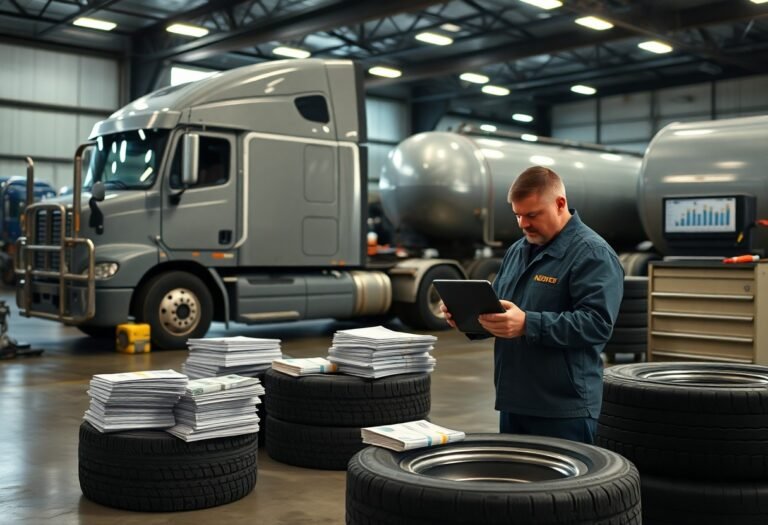
Most trucking businesses use operating cash, invoice factoring, fuel cards, equipment loans, and maintenance reserves so you can cover repairs, fuel, and fleet expansion while keeping cash flow stable and credit manageable.
Key Takeaways:
- Primary funding methods include operating cash flow, commercial loans, equipment financing, leases, and lines of credit.
- Fuel costs are managed with fuel cards, bulk purchasing agreements, temporary fuel advances, dedicated fuel lines, and fuel surcharges passed to customers.
- Repairs and maintenance are funded from maintenance reserves, insurance payouts, short-term credit, and dedicated maintenance budgets to reduce emergency spending.
- Fleet growth commonly uses equipment loans, lease-to-own deals, sale-leaseback transactions, OEM financing, and refinancing older assets to free capital.
- Cash-flow tactics such as invoice factoring, negotiated payment terms, reserve policies, and targeted government or industry programs improve liquidity and planning.
Managing Operational Cash Flow for Fuel and Maintenance
You manage short-term cash by forecasting fuel and maintenance outflows, aligning payables with receivables, and prioritizing expenses to keep trucks moving without disruption.
Utilizing Fuel Cards for Immediate Liquidity and Discounts
Using fuel cards gives you immediate buying power, built-in discounts, and detailed spend reports that simplify reconciliation and reduce out-of-pocket strain.
Allocating Reserves for Routine and Emergency Repairs
Set dedicated reserves for routine upkeep and unexpected breakdowns so you can pay repairs quickly, avoid high-interest borrowing, and maintain scheduling flexibility.
Calculate reserve levels from historical repair costs, vehicle age, and mileage patterns; aim for 30-90 days of operating expenses or a per-truck monthly allowance, hold funds in a separate account with automatic transfers, and review quarterly to adjust for new routes, seasonal demand, or fleet changes.
Financing Strategies for Fleet Expansion
Financing fleet growth often combines retained earnings, lines of credit, and sale-leaseback options; you should weigh cash flow impacts and consult resources like Solving Cash Flow Problems in the Trucking Industry when timing expansions.
Equipment Financing and Term Loans for Asset Acquisition
Equipment loans let you buy trucks with fixed payments and predictable depreciation, helping you plan cash flow while building equity; you should meet lender criteria and budget for interest and down payments.
Evaluating Leasing Models for Scalable Growth
Leasing offers lower upfront costs and flexible terms, so you can scale quickly without owning assets; you should compare total lease costs, mileage limits, and end-of-term obligations before deciding.
When evaluating leases, run total-cost scenarios that include fees, maintenance, tax treatment, and insurance so you see true monthly expenses. You can favor operating leases for short-term needs or capital-style leases if you aim for ownership, and negotiating service packages and residual guarantees reduces end-of-term risk.
Revolving Credit Lines for Unforeseen Expenses
Lines of credit let you cover surprise repairs and downtime without dipping into cash reserves, giving flexible borrowing and interest-only options while you get trucks back on the road.
Securing Working Capital for Major Mechanical Overhauls
Overhauls often require bridge financing; you can tap term loans, equipment loans, or invoice factoring to fund parts, labor, and shop time without halting operations.
The Utility of Business Credit Cards in Fleet Management
Cards provide quick purchasing power for fuel, parts, and small repairs while consolidating expenses and earning rewards you can reinvest into maintenance budgets.
You should assign card limits per driver, integrate cards with fuel and telematics data to spot misuse, and choose issuers offering detailed reporting and vendor controls to streamline reconciliation; use cards for short-term float and pay balances promptly to avoid high interest carrying costs.
Government Programs and SBA Assistance
Government programs and SBA resources lower repair, fuel, and expansion costs with low-interest loans, tax credits, and training grants you can apply for to stabilize cash flow.
Navigating SBA 7(a) Loans for Long-Term Investment
SBA 7(a) loans provide flexible, long-term capital for fleet purchases and major repairs, letting you spread costs over years while keeping ownership and control.
Grants and Incentives for Fuel-Efficient Modernization
Federal and state grants plus utility incentives can offset costs for fuel-saving trucks, retrofits, and charging infrastructure, helping you lower operating costs and emissions.
Programs often require applications, matching funds, and proof of emissions reductions; you should prioritize high-mileage vehicles, combine projects for better funding, and consult local agencies or grant administrators early to meet deadlines.
Internal Reinvestment and Profit Management
You should set a reinvestment target from operating profits to cover repairs, fuel, and fleet growth, balancing cash reserves and margins while tracking monthly cash flow to avoid relying on expensive debt.
Building Sinking Funds for Fleet Replacement
Allocate a fixed percentage of revenue into sinking funds per truck so you can schedule replacements, invest conservatively, and review balances quarterly to prevent unexpected capital gaps.
Optimizing Tax Deductions to Increase Retained Earnings
Optimize tax strategy by accelerating eligible expenses, claiming appropriate depreciation methods, and documenting deductions so you lower tax bills and keep more earnings for repairs and expansion.
Track detailed expense categories, maintain mileage logs, use Section 179 and bonus depreciation where eligible, and time capital purchases to match cash flow so you legally maximize deductions and retain funds for operations and growth.
Conclusion
The most common sources are operating cash, maintenance reserves, fuel cards and fuel surcharges, bank lines and equipment loans, leases, invoice factoring, and grants, which let you cover repairs, pay fuel, and finance fleet growth while managing cash flow.
FAQ
Q: What common funding sources cover repairs, fuel, and day-to-day operating costs for trucking businesses?
A: Many carriers use a mix of operating cash flow, dedicated maintenance reserves, business lines of credit, and short-term bank loans to handle repairs and operating expenses. Fuel cards provide upfront purchasing power plus reporting and rebate features that reduce cash strain at the pump. Invoice factoring and freight-advance programs convert receivables into immediate cash to cover urgent bills. Vendor credit terms and manufacturer service contracts can shift payment timing for parts and repairs. Insurance claim proceeds cover accident-related repairs when the carrier has adequate coverage and manages deductibles.
Q: How should a trucking company budget and plan for unexpected repairs and maintenance?
A: Set aside a maintenance reserve calculated per mile or as a percentage of revenue based on fleet age and utilization. Implement a preventive maintenance schedule and telematics-based monitoring to reduce high-cost failures and to forecast upcoming service needs. Consider extended warranties or full-service contracts for high-cost components like engines and transmissions to cap major repair exposure. Maintain a contingency line of credit to handle large, unexpected expenses without disrupting operations.
Q: What strategies help manage and finance rising fuel costs?
A: Fuel cards with rebates and purchase controls lower cash outflow and improve tracking of fuel spend. Contracting fixed-price fuel agreements or bulk fuel purchases with suppliers spreads price risk across time. Pass fuel volatility to customers through fuel surcharge programs tied to an index or explicit contract terms. Apply for available fuel-tax credits or refunds where eligible and ensure accurate IFTA reporting to recover qualified taxes. Improve fuel efficiency through driver training, route planning, and equipment selection to reduce overall fuel spend.
Q: What are the primary options for financing fleet growth and new truck purchases?
A: Traditional equipment loans and leases remain the most common ways to acquire tractors and trailers, with choices between finance leases (to own) and operating leases (to use). SBA-backed loans, commercial vehicle loans from specialty lenders, and dealer captive financing offer varying down payments and terms tied to credit profile. Sale-leaseback deals free up capital from existing assets while keeping trucks in service. Equity investment, private capital, or partnering with larger carriers can fund rapid growth when debt capacity is limited. Grants and incentives for low-emission vehicles from federal or state programs can reduce upfront cost for greener equipment.
Q: How do funding approaches differ for small carriers and owner-operators compared to larger fleets?
A: Owner-operators often rely on personal savings, small business lines of credit, dealer finance packages, and lease-purchase agreements that spread payments over time. Small carriers commonly use factoring and fuel-card programs to smooth cash flow while building credit history to access better loan terms. Community banks and credit unions with transportation experience can offer flexible underwriting based on equipment value and cash flow rather than pure corporate size. Building organized financial records, maintaining a healthy operating ratio, and documenting consistent revenue make it easier to secure loans or better vendor terms as the business grows.