
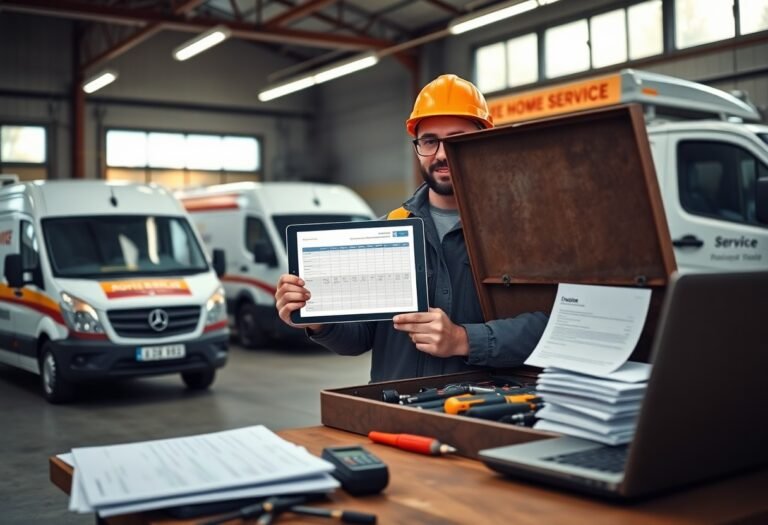
Technology, leasing, loans, and cash flow determine how you acquire trucks, tools, and software; you compare financing terms, tax impacts, and equipment lifespan, then choose purchase, loan, lease, or subscription to align costs with growth and profitability.
Key Takeaways:
- Major funding sources include owner cash and retained earnings, equipment loans, vehicle financing or leasing, business lines of credit, SBA loans, and business credit cards.
- Equipment loans and leases spread capital costs over time; loans often require down payments and collateral, while leases reduce upfront expense but typically do not provide ownership.
- Lines of credit and credit cards cover short-term purchases and cash-flow gaps; SBA 7(a) and CDC/504 loans support larger truck or shop investments at competitive rates.
- Tax rules such as Section 179 expensing and bonus depreciation can lower the net cost of trucks, tools, and qualified equipment in the purchase year.
- Tech is commonly acquired as subscription software (SaaS) to convert capital expenses into predictable monthly operating costs; assess subscription, integration, and training costs against gains in technician productivity and job capacity.
Traditional Bank Loans and Credit Lines
Banks offer term loans and credit lines that you can use to buy trucks, tools, and tech; approvals depend on credit, collateral, and time in business, and interest rates are generally lower than alternative lenders despite stricter documentation.
Secured Business Term Loans
Term loans require you to pledge equipment or vehicles as collateral, which often lowers interest and extends repayment terms, but increases the risk to assets if payments are missed.
Revolving Lines of Credit for Operational Flexibility
Lines of credit let you draw funds for fluctuating needs, paying interest only on what you use, and they reduce the need to reapply each time you face seasonal demand or unexpected repairs.
You should manage utilization to keep renewal fees and rates favorable, maintain clear financial statements for lender reviews, and compare secured versus unsecured lines to balance cost against collateral exposure.
Equipment Financing and Leasing Models
Equipment financing mixes loans, leases, and vendor credit so you can outfit crews, replace aging trucks, and adopt new tech without draining reserves.
Capital Leases for Long-Term Ownership
Capital leases let you treat assets like owned property, providing fixed payments and a path to title, which suits you when long-term use outweighs higher monthly costs.
Operating Leases to Preserve Working Capital
Operating leases free up cash so you can preserve working capital for staffing and growth while rotating equipment frequently to keep technology current.
When you sign an operating lease, check terms for maintenance responsibilities, mileage limits, early termination fees, and end-of-lease purchase options. Comparing total lease cost to purchase helps you decide whether short-term flexibility outweighs long-run ownership savings.
Specialized Vehicle Financing for Fleet Growth
Specialized financing helps you expand fleet capacity using tailored loans, leases, and fleet programs that reduce upfront costs and align payments with vehicle lifespan and usage.
Commercial Auto Loans for Service Trucks
Loans let you purchase service trucks, build equity, and claim depreciation; expect lender underwriting, required down payments, and terms tied to mileage and annual revenue.
Trac Leases and Fleet Management Solutions
Leases give you lower monthly outlays for newer vehicles and can bundle maintenance, telematics, and replacement options through fleet management providers.
With Trac leases, you can standardize vehicle specs, shift maintenance responsibilities to vendors, track telematics centrally, and refresh assets on schedule while preserving working capital.
Funding Software and Technological Infrastructure
Software subscriptions and cloud platforms can be paid via monthly budgets, short-term loans, or lines of credit; you can consult 10 Essential Tech Tools for Home Service Businesses to pick tools that justify investment and reduce manual work.
Financing Field Service Management (FSM) Systems
FSM systems often use subscription fees; you can finance implementation through monthly plans, revenue-based loans, or deferred-payment options to avoid heavy upfront costs.
Utilizing Vendor Financing for Hardware Upgrades
Vendors may offer hardware leasing or installment plans so you obtain tablets, diagnostic tools, or on-truck equipment with predictable payments while preserving cash.
Compare rates, contract lengths, and buyout terms so you ensure total cost aligns with resale value and upgrade cycles; negotiate maintenance and warranty inclusions to lower long-term expenses.
SBA Loans and Government-Backed Programs
Government-backed SBA programs let you access lower-rate financing and larger loans to buy trucks, tools, and tech, often with longer repayment terms than commercial options and requirements tailored to small businesses.
SBA 7(a) Loans for Working Capital
SBA 7(a) loans give you flexible working capital for payroll, small equipment, inventory, or cash-flow gaps, typically with terms up to 10 years for equipment and rates tied to your credit and business history.
SBA 504 Loans for Major Equipment Purchases
504 loans let you finance major assets like trucks or shop equipment with low down payments by combining a certified development company loan for fixed assets alongside a bank loan for the balance.
You can use a 504 structure to preserve cash: the CDC often covers up to 40% of the project, a bank provides about 50%, and you contribute roughly 10%, yielding lower long-term rates for big-ticket equipment; eligibility requires solid credit, verifiable cash flow, and acceptable collateral.
Alternative Funding and Revenue Reinvestment
You can mix short-term advances, owner cash, and reinvested profits to fund trucks, tools, and tech without overextending credit, balancing payback speed with cost to protect margins and future growth.
Merchant Cash Advances for Immediate Needs
Merchant cash advances let you access near-immediate capital tied to card sales, but daily repayment splits raise effective costs-use them only for urgent purchases when you lack other options.
Bootstrapping Through Retained Earnings
Retained earnings let you fund upgrades gradually, avoiding interest and long-term obligations while delaying owner distributions; prioritize purchases that shorten job time and boost per-job profits.
By reinvesting a fixed percentage of monthly profits into a replacement fund, you can phase vehicle and tool purchases, set buying thresholds, and track asset ROI; you should also account for taxes and depreciation, monetize trade-ins, and combine retained funds with short-term credit to cover timing gaps.
Final Words
To wrap up, you should fund trucks, tools, and tech using a mix of cash, equipment loans or leases, lines of credit, SBA or small-business loans, vendor financing, and reinvested profits, weighing interest, cash flow impact, tax benefits, and resale value to pick the best fit for your business.
FAQ
Q: What funding options do home service businesses have for trucks, tools, and tech?
A: Banks and credit unions provide term loans and lines of credit with predictable repayment schedules and lower interest for qualified borrowers. SBA loans offer long terms and competitive rates for businesses that meet eligibility rules and can tolerate a longer approval timeline. Equipment financing companies and captive lenders specialize in trucks and tools, often approving based on the asset’s value with faster decisions. Leasing companies enable lower upfront costs through monthly lease payments and preserve cash, with lease-to-own options available. Business credit cards and short-term lines of credit handle smaller purchases and seasonal needs but carry higher interest if balances remain. Personal savings or owner equity avoids interest and approval barriers but increases personal risk. Investor capital or crowdfunding can fund growth-stage purchases when owners are willing to give up equity or future returns. Grants are uncommon for general equipment but available for specific programs like energy-efficiency upgrades or workforce training.
Q: How do equipment loans and leases differ, and which suits buying a work truck?
A: Equipment loans function like auto loans where the business owns the truck immediately, makes fixed payments, and records the asset and liability on the balance sheet. Leases act like rentals where the lessor owns the truck and the business makes periodic payments; operating leases keep the asset off the balance sheet while capital leases result in ownership at term end. Loans typically require a down payment and offer ownership with potential resale value; leases often require little or no down payment and simplify replacement at lease end. Tax rules affect both options; Section 179 and bonus depreciation can allow immediate expensing for purchases, while lease payments are often deductible as a business expense. Lenders may offer longer terms and lower rates on new trucks; used trucks may be easier to finance with specialized lenders but often at higher rates or shorter terms. Choose a loan for long-term ownership and equity, and a lease for conserving cash and predictable replacement cycles.
Q: What do lenders evaluate when approving financing for trucks, tools, or tech?
A: Lenders evaluate business credit score, personal credit of owners when personal guarantees are required, time in business, annual revenue, profit margins, and documented cash flow. Lenders check collateral value, which makes equipment financing easier when the asset retains resale value, and review tax returns, bank statements, and accounts receivable for cash flow verification. A clear business plan, quotes or invoices for the equipment, and a maintenance or replacement strategy improve credibility. Improve approval odds by separating personal and business finances, building a short record of on-time payments, maintaining up-to-date financial statements, and preparing realistic cash flow projections that show ability to service debt.
Q: Should a home service business buy new or used equipment, and how does that affect financing decisions?
A: Used equipment reduces upfront cost and monthly payments but may carry higher maintenance risk, limited warranties, and shorter useful life that can impact reliability and downtime. New equipment delivers warranty coverage, lower early maintenance, and longer usable life but increases purchase price and monthly obligations. Lenders often offer better rates and longer terms on new equipment because of predictable residual values; used equipment financing may require larger down payments or higher interest to offset depreciation risk. Tech purchases such as software can be subscription-based or one-time; subscriptions spread cost over time and simplify updates, while one-time licenses avoid recurring fees but may require larger capital outlays. Compare total cost of ownership, expected uptime, and financing terms rather than price alone when choosing new versus used.
Q: How can a small business manage cash flow while investing in trucks, tools, and tech?
A: Business owners can stagger purchases and prioritize items that directly increase revenue or reduce operating costs to avoid a single large cash outflow. Short-term lines of credit, vendor financing, and lease-to-own arrangements smooth payments and match expense profiles to cash inflows. Negotiate payment terms with suppliers, seek deferred or interest-only periods for initial months, and consider renting specialty equipment until demand justifies purchase. Use tax provisions like Section 179 and bonus depreciation to accelerate deductions in the year of purchase and consult a tax advisor for proper application. Maintain an equipment replacement reserve on the balance sheet and run monthly cash-flow forecasts that include debt service to anticipate shortfalls and adjust purchasing plans accordingly.